Model reviews
How the AI models compare for making games: price, speed and what they built from the same prompt.
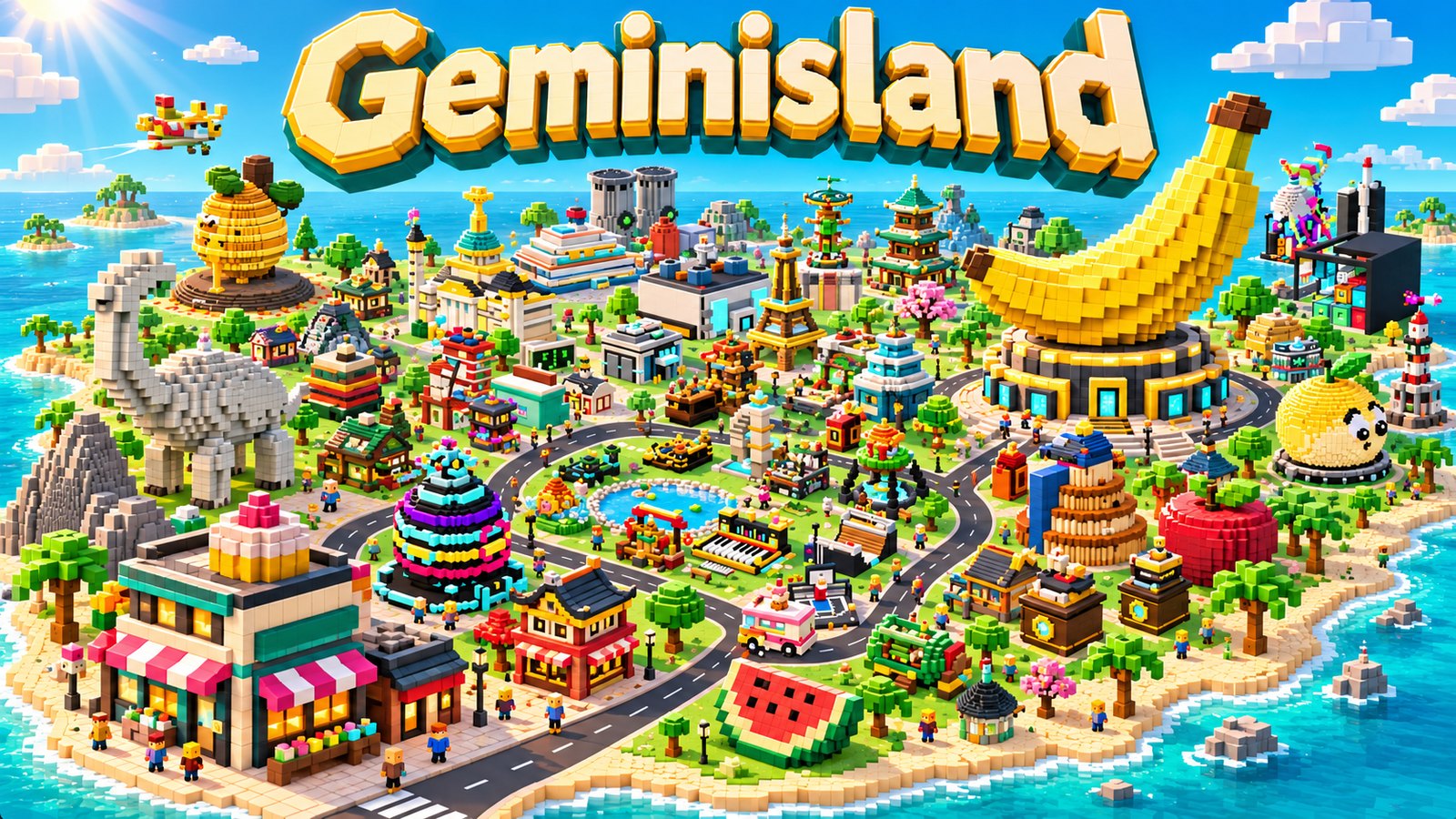
Gemini 4 Games: Hydrogen vs Neon vs Carbon vs Argon, and Which Makes the Best Games
All the games made with Google's four Gemini 4 models on one page: which you can play in a browser, which are only on video, and which model to pick for making a game, with prices, free tiers and release dates.
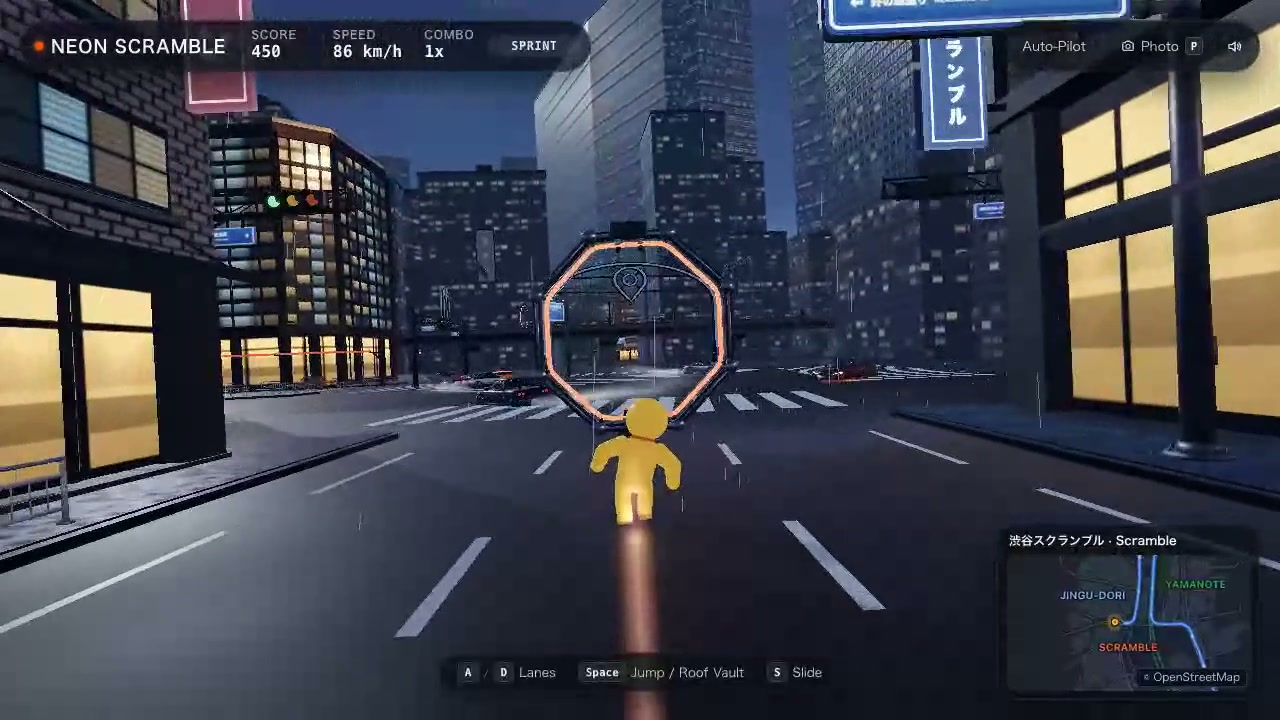
Gemini 4 Neon vs Opus 5.5 vs Fable 5.2 for Making Games: Price, Benchmarks and What Each Has Built
Google's Gemini 4 Neon against Anthropic's Claude Opus 5.5 and Claude Fable 5.2 for making games: API prices, context windows, where to use each, the one coding benchmark all three share, and the games each has built that you can play, and first results from our same-prompt test (Gemini 4 Neon pending).
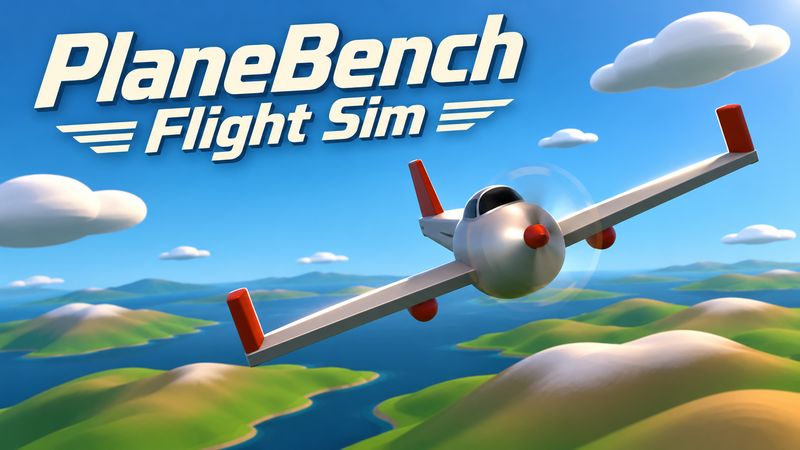
Inkling 2 Mini Games: Play the Flight Simulator It Built Offline, and How to Make Games With It Locally
Thinking Machines' open-weights Inkling 2 Mini built a playable flight simulator offline on a MacBook Pro, mid-flight. Play it in your browser, see what the model is and what it needs, and how to run it on your own computer with Ollama, Unsloth or llama.cpp to make games, with what to expect next to big cloud models.

We Gave Claude Fable 5.2 and GPT-6.2 the Same Game Prompt: Results (Gemini 4 Neon Next)
Which is the best AI for making games? We gave Claude Fable 5.2 and GPT-6.2 Astra the same one-shot prompt for a 3D hover-bike game, with no follow-ups. Time, cost, file size, what worked, what didn't, and all three builds to play. Gemini 4 Neon is next.

What Is Fable 5.2? It's Claude's AI Model, Not the Fable Game: Website, Download, Open Source
What does Fable 5.2 mean? It's Claude Fable 5.2, the AI model Anthropic released on 9 November 2026, not the Xbox Fable game. Where its official website is, how to use it, whether you can download it, whether it's open source, and where to play the "games made with Fable 5.2" going around online.

Claude Fable 5.2 vs Opus 5.5 for Making Games: Price, Speed and Which to Use
Fable 5.2 costs twice as much per token as Opus 5.5 and is built for long, unattended work. For game development, here is when the upgrade pays off, when it doesn't, and how the two compare on price, benchmarks and real launch-week games.