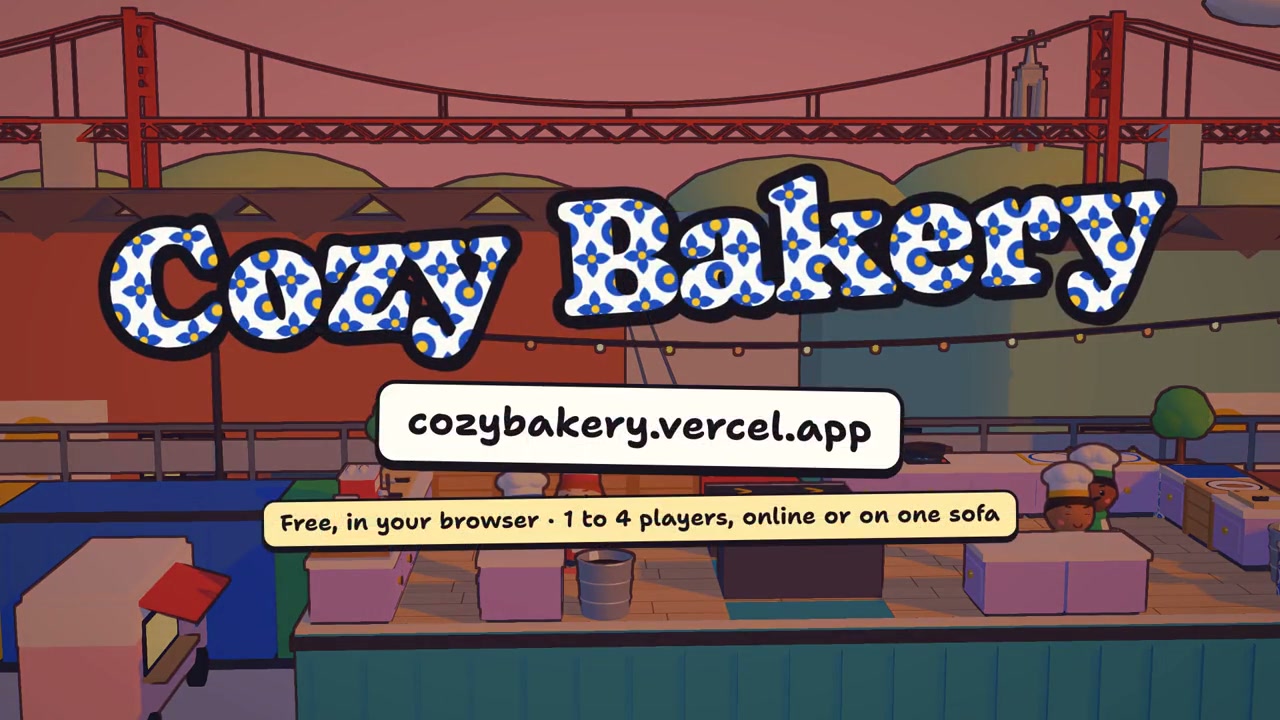
First test results are in: we gave Claude Fable 5.2 and GPT-6.2 Astra the same one-shot game prompt. Both made a playable game; Astra was much faster, Fable built real 3D. Gemini 4 Neon is pending. Full results and all builds to play: we gave Fable 5.2 and GPT-6.2 the same game prompt. Everything else on this page comes from the makers' own pages and from games already published.
Three of the strongest models for writing game code came out within ten weeks of each other: Claude Opus 5.5 on 22 September 2026, Claude Fable 5.2 on 9 November and Gemini 4 Neon on 18 November. This page compares them for one job, making a game: what they cost, where you can use them, what the one shared coding benchmark says, and what each has actually built that you can play.
Short version: Neon is the cheapest per token and, on the one independent coding test all three share, the cheapest per task, but it is three days old and has one playable game. Opus 5.5 is Anthropic's default and has months of finished games behind it. Fable 5.2 costs the most and has shipped the most ambitious one-prompt games so far.
At a glance
| Gemini 4 Neon | Claude Opus 5.5 | Claude Fable 5.2 | |
|---|---|---|---|
| Maker | Anthropic | Anthropic | |
| Released | 18 Nov 2026 | 22 Sep 2026 | 9 Nov 2026 |
| Maker's pitch | Depth and efficiency for complex work, between Carbon and Hydrogen | Long-running agentic coding and knowledge work | Demanding reasoning and long-horizon agentic work |
| API price per 1M tokens (input / output) | $3 / $15 | $4 / $20 | $8 / $40 |
| Cached input per 1M tokens | $0.15 | $0.20 | $0.20 |
| Batch price per 1M tokens | $1.50 / $7.50 | $2 / $10 | $4 / $20 |
| Context window | 1M tokens | 1M tokens | 1M tokens |
| Max output | 65,536 tokens | 128K tokens | 128K tokens |
| Free API tier | No | No free tier listed | No free tier listed |
| Where to use it | Gemini API, Google AI Studio, Gemini app (Pro and Ultra), Google Antigravity | Claude apps, Claude Code, API | Claude apps (paid plans), Claude Code, API |
| Games you can play on VibeGamer | 1 | 13 | 46 |
Prices and specs are from Google's Neon announcement, our Gemini 4 Neon guide on crewmark.ai (taken from Google's pricing page) and Anthropic's models overview. Game counts are from our Gemini 4 Neon, Claude Opus 5.5 and Claude Fable 5.2 pages on 21 November 2026.
Price
Per token, Neon is the cheapest of the three: 25% below Opus 5.5 and less than half of Fable 5.2. Fable 5.2 is exactly twice Opus 5.5.
Per-token price is not the whole bill. A game built by an agent reads its own project again and again, so cached input matters, and a model that needs fewer tokens to finish can cost less per task even at a higher rate. Anthropic says Fable 5.2 at high effort matches Opus 5.5's best FrontierCode 2.0 score at about half the cost per task. Google says Neon at its default high setting costs 50% to 80% less per task than "top competing frontier models", without naming them.
The one cost comparison that puts all three in the same harness is Artificial Analysis's Coding Agent Index (next section): about $6.86 per task for Neon, $12.61 for Opus 5.5 and $15.47 for Fable 5.2.
On a subscription you don't pay per token. Neon is in the Gemini app and Antigravity for Google AI Pro and Ultra subscribers. Fable 5.2 is on paid Claude plans, where it can use up to half of your weekly limit on Pro and standard Team seats.
Coding benchmarks: only where all three are measured the same way
Google and Anthropic mostly report different benchmarks, and when they report the same one, each runs its own setup. So we only put numbers side by side in two cases.
Artificial Analysis Coding Agent Index (independent, same harness for every model):
| Model and setting | Score | Cost per task |
|---|---|---|
Gemini 4 Neon (xhigh) |
59 | $6.86 |
Claude Fable 5.2 in Claude Code (xhigh) |
58 | $15.47 |
Claude Opus 5.5 (max) |
58 | $12.61 |
Google gives Neon's score as 58.6, first overall at launch. A one-point gap is a tie in practice; the real difference is cost per task. Source: our crewmark.ai guide, which collects Artificial Analysis's launch results.
FrontierCode 2.0 (each maker's own run): Neon 46.2% at its default high setting, according to Google; Fable 5.2 49.1% at xhigh and Opus 5.5 45.5% at its best, according to Anthropic. Different setups, so treat this as "close", not a ranking.
Everything else Google published for Neon (Terminal-Bench 4.1, SWE-sweep, Vending-Bench 2 and more) has no matching Anthropic number, and the reverse is true for FrontierSWE, so we leave those out.
What each model has built that you can play
Gemini 4 Neon: NEON SCRAMBLE
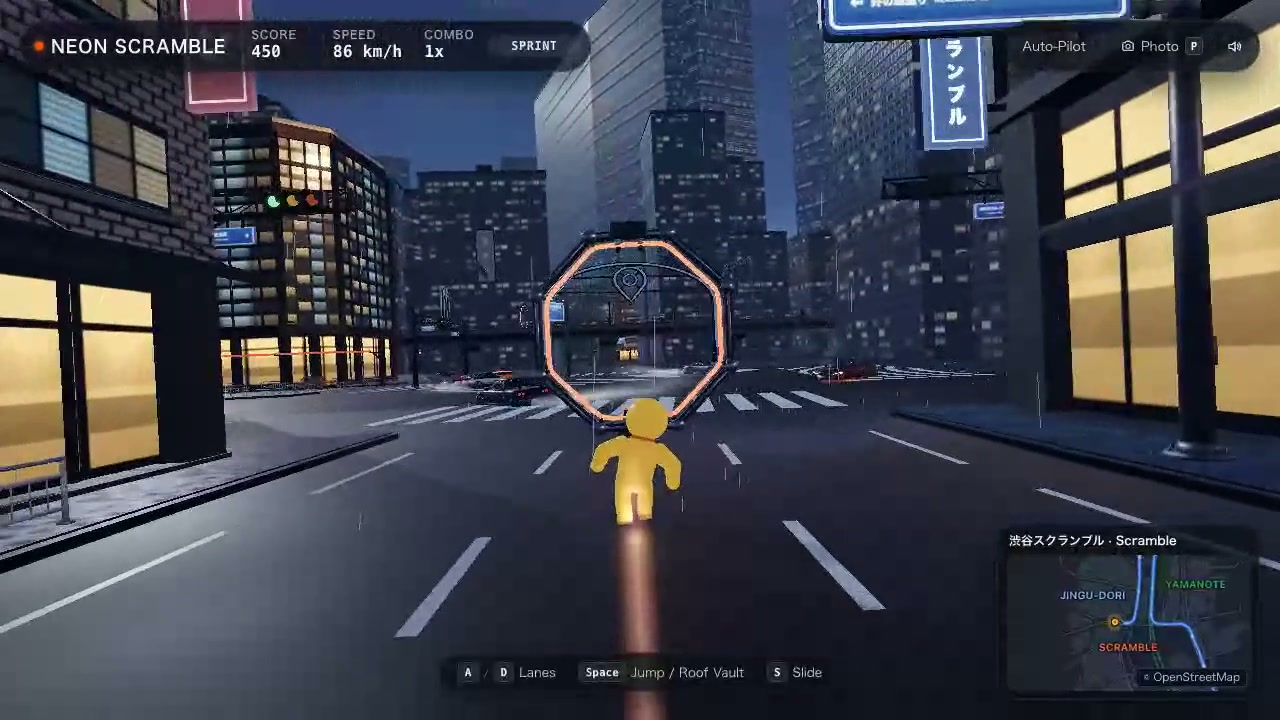
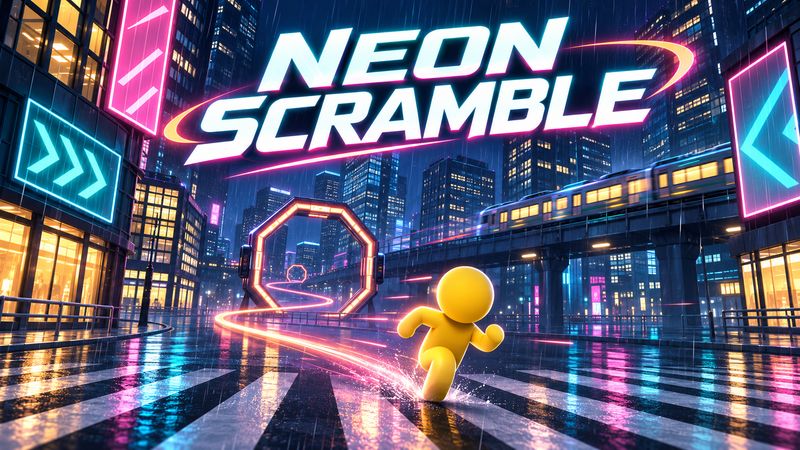
So far one Neon game is playable: Google's own NEON SCRAMBLE, posted on 19 November. Race Pegman from the Shibuya Scramble Crossing to the Google Tokyo office on a 3D map Google says Neon built from nearly 1 million tokens of OpenStreetMap data. Made for a keyboard.
The other Neon demos are still only on video: Google's first-person ski simulator on Mont Blanc terrain (about 10,200 lines of custom shaders and physics), Alan Turing's study in 3D, and an early tester's arena shooter, voxel arena and jet race. All of them, with sources: Gemini 4 Neon games.
Claude Opus 5.5: Alandys
Opus 5.5 has had two months, and its games tend to be built over days or weeks with a person steering. Alandys is the clearest example: a co-op raid game on floating isles with 16 raid bosses, built with Three.js and Opus 5.5 in 33 days, with a real game server and a Steam release planned.
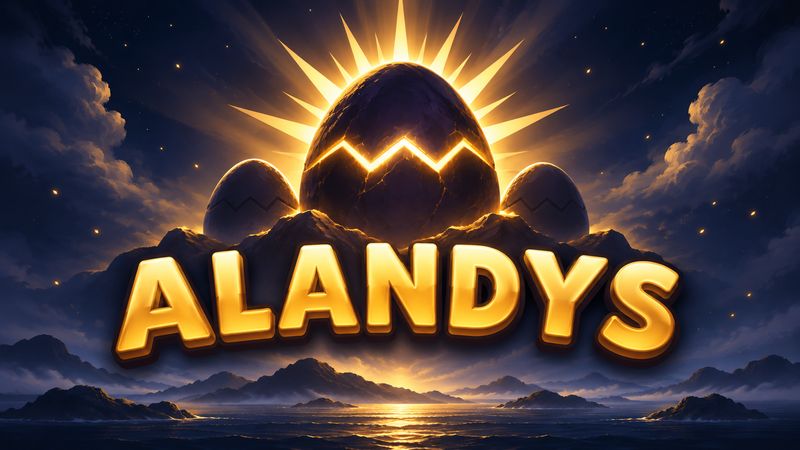
More: games made with Claude Opus 5.5.
Claude Fable 5.2: Saltline
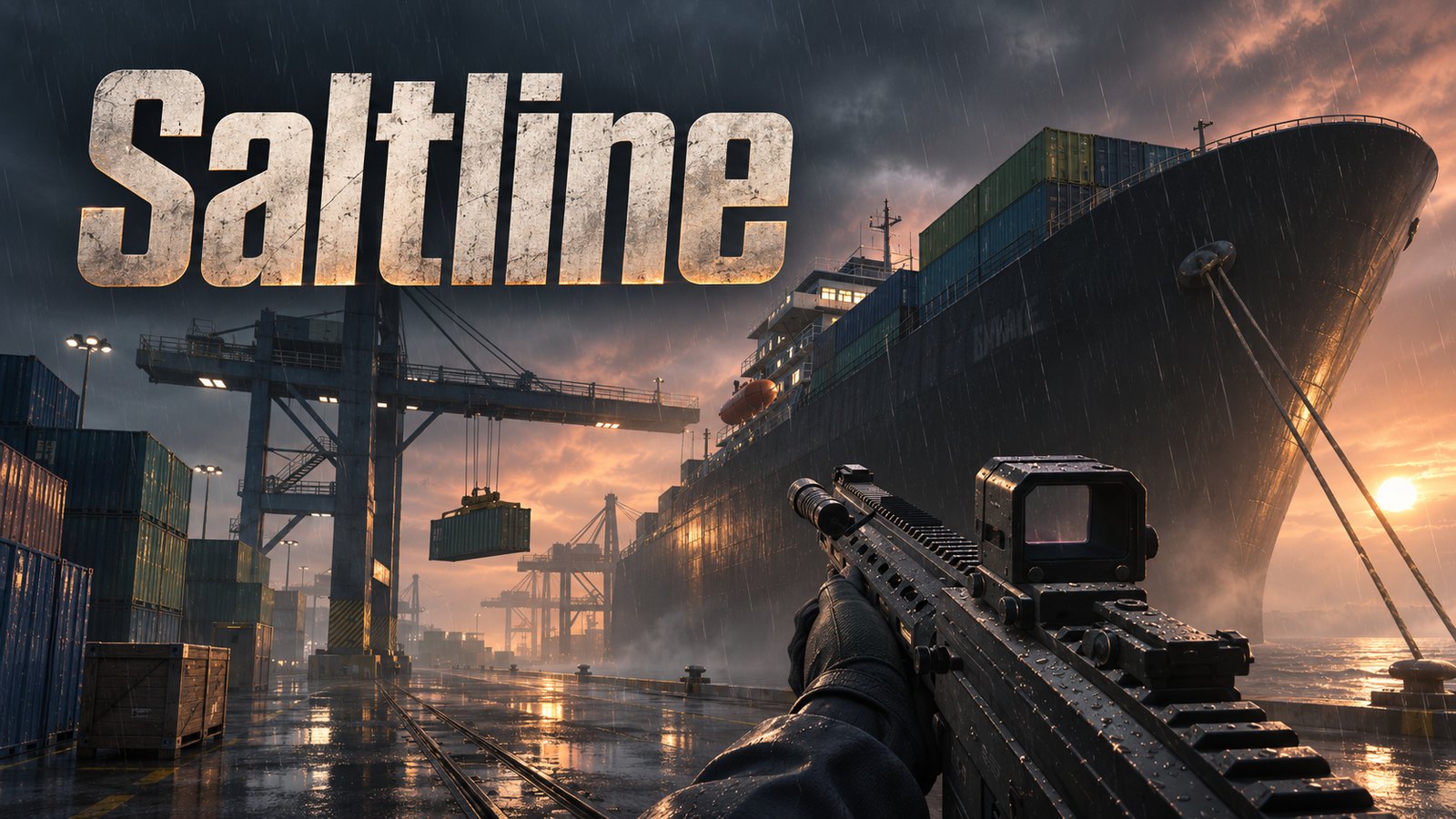
Fable 5.2 has the longest list: 46 games on VibeGamer in under two weeks, many from a single prompt and a long unattended run. Saltline is the best known: a first-person shooter in a rainy container port, built by an Anthropic engineer from one prompt in about 8 hours, with every model and sound generated in code.
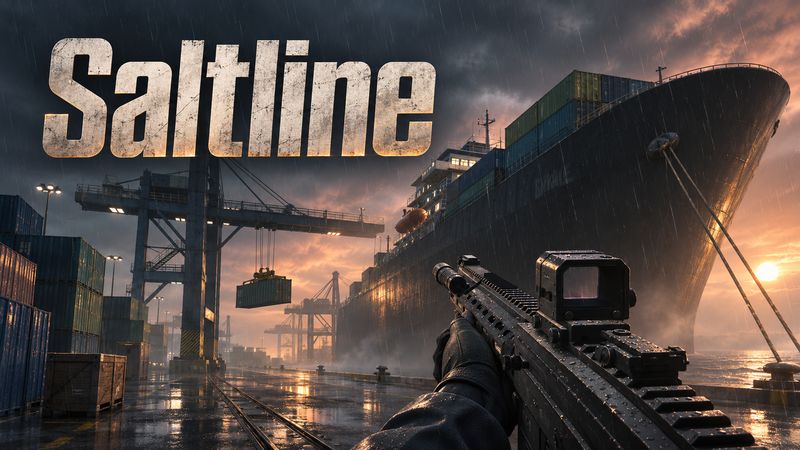
More: Fable 5.2 games you can play online and all games made with Claude Fable 5.2.
Our same-prompt test: results so far
We gave each model the prompt for Neon Canyon Run: a complete 3D browser game in one index.html file, where you steer a glowing hover-bike through a neon canyon at night, dodge rocks and barriers, jump, and collect energy orbs while the speed rises. One attempt each, no follow-up prompts, and the files are published unchanged.
| Claude Fable 5.2 (Claude Code) | GPT-6.2 Astra (Codex) | Gemini 4 Neon (Google AI Studio) | |
|---|---|---|---|
| Time | 9.4 min (run 1, no shell); 12.6 min (run 2, with shell) | 3.8 min | Pending |
| File | 45 KB / 42 KB | 20 KB | Pending |
| Rendering | Real 3D with Three.js | 2D canvas made to look 3D | Pending |
| Playable on first open, full loop | Yes, both runs | Yes | Pending |
| Main issue | Run 1 (could not test itself): glow hides the bike. Run 2 tested itself in Chrome; bike clearly visible | Not real 3D | Pending |
Gemini 4 Neon: pending. Our Google AI Studio access isn't ready yet, so Neon has not run; its build will be added when it has. Opus 5.5 is not in this round; the comparison with it on this page is from public facts only. The prompt, method, costs, caveats and all three playable builds: we gave Claude Fable 5.2 and GPT-6.2 the same game prompt.
Which should you use for a game?
This is based on what each maker says the model is for, on price and on what has shipped. Our own test has no Neon result yet.
- You want the cheapest capable option, or already pay for Google AI Pro or Ultra: try Neon, in Antigravity or AI Studio. It has the lowest price per token and per task of the three. The catch is the short track record: one playable game so far, and Google's biggest demo, the ski simulator, was built in Antigravity rather than in a single chat.
- You will build step by step and play-test as you go: Opus 5.5. Anthropic recommends starting with it for most coding, it costs half of Fable 5.2, and most of its games, like Alandys, were made by makers steering it over days.
- You want one long, unattended run that ends in a finished, polished game: Fable 5.2 in Claude Code. It costs the most, but Saltline and many of the 46 games on VibeGamer came out of exactly that kind of run. More on this choice: Claude Fable 5.2 vs Opus 5.5 for making games.
- Comparing Neon with the other Gemini 4 models: Hydrogen is cheaper and the only one with a free API tier; see Gemini 4 games: Hydrogen vs Neon vs Carbon vs Argon.
What about GPT-6.2?
OpenAI released GPT-6.2 Astra and GPT-6.2 Sol on 17 November 2026. Sol is the efficient everyday model at $2 / $10 per million tokens, cheaper per token than Neon; Astra costs $8 / $40, the same as Fable 5.2, and OpenAI pitches it for websites, gaming and 3D. Astra is in our test. Its first games, including OpenAI's playable 3D racer: GPT-6.2 games.
FAQ
Is Gemini 4 Neon better than Claude Opus 5.5 for coding?
On Artificial Analysis's Coding Agent Index, the one independent test with both, Neon scores 59 and Opus 5.5 scores 58, and Neon costs about half as much per task. On FrontierCode 2.0 each maker's own number is close (46.2% vs 45.5%). That makes them roughly even on quality and Neon cheaper. For games, Opus 5.5 has far more finished, playable work behind it so far.
Is Gemini 4 Neon cheaper than Claude Fable 5.2?
Yes. Neon costs $3 / $15 per million input / output tokens; Fable 5.2 costs $8 / $40. On the Artificial Analysis Coding Agent Index, Neon's cost per task was $6.86 against $15.47 for Fable 5.2 in Claude Code.
Which has the bigger context window?
None. All three have a 1 million token context window. Opus 5.5 and Fable 5.2 can write up to 128K tokens in one response; Neon up to 65,536.
Can I use any of them for free?
Gemini 4 Neon has no free API tier; in the Gemini app it is for Google AI Pro and Ultra. Fable 5.2 needs a paid Claude plan or API credits, and Opus 5.5 is billed per token on the API. For free Gemini 4 API use, Google's option is Gemini 4 Hydrogen.
What is the best AI model for making games right now?
There is no single winner. For the most finished one-prompt games so far, Fable 5.2. For the best balance of cost and results when you steer it yourself, Opus 5.5. For the lowest price at near-equal benchmark scores, Neon, though it has the fewest games to show. In our same-prompt test, Fable 5.2 and GPT-6.2 Astra both made a playable game in one try; Neon's run is still pending.
Checked on 21 November 2026. Prices and benchmarks are from Google, Anthropic and Artificial Analysis as cited above; games belong to their makers. Gemini is a trademark of Google, and Claude, Opus and Fable are trademarks of Anthropic. VibeGamer is independent and not affiliated with either.